Reviewing This Little Piggy SVG for Embroidery
As a designer who has spent countless hours digitizing and stitching out files for clients, I have learned to look past the glossy preview images. What matters is how a design behaves under the needle. When I first opened This Little Piggy Went to the Market SVG, my initial reaction was one of cautious optimism. The charm is undeniable, but charm does not always translate to clean stitching. My job is to determine if this graphic holds up in the real world of hoop stress, thread tension, and fabric texture.
The visual personality of this design leans heavily into whimsical nostalgia. It is not just a pig; it is a narrative element. For embroidery designers and small business owners, this distinction is crucial. We are not just selling a picture; we are selling a feeling. The layout appears balanced, with clear separation between elements, which is vital for maintaining stitch clarity. However, before you load this into your machine for a high-stakes client order, there are practical considerations to address regarding its application as a machine embroidery design.
From Digital File to Stitched Reality
Let us talk about the source files. The package includes SVG, DXF, EPS, and PNG formats. For those of us working strictly in embroidery software like Wilcom or Hatch, the SVG and EPS files are the starting point for conversion, while the PNG serves as a reference for placement and color planning. It is important to note that these are vector and raster graphics intended for cutting machines like Cricut or Silhouette, not native embroidery files like PES or DST. This means you will need to digitize the design yourself or use auto-digitizing software with caution.
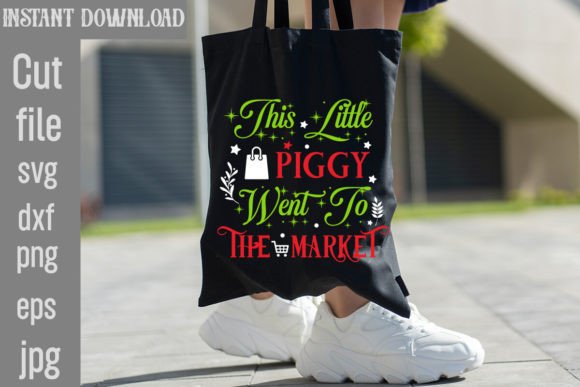
In a recent project, I used this concept for a custom embroidered tote bag. Tote bags are unforgiving. They use heavy canvas that requires significant stabilizer support. When adapting This Little Piggy Went to the Market SVG for this medium, I had to pay close attention to the stitch density. If the original graphic has large solid areas, converting them directly to fill stitch without proper underlay can cause puckering. I recommend breaking up large color blocks with running stitches or using a satin stitch border to define edges sharply against the textured fabric.
Best Use Cases for Small Shops and Makers
This design shines brightest when applied to items that benefit from a soft, handmade aesthetic. It is an ideal candidate for baby embroidery projects. Think organic cotton onesies or muslin swaddle blankets. The playful theme resonates with parents looking for unique, non-generic gifts. However, because baby items undergo frequent washing, the durability of the stitch-out is paramount. You must ensure that any tiny details in the pig’s features are not so small that they unravel after three cycles in the laundry.
For Etsy sellers and craft business owners, versatility is key. This graphic works well on sweatshirt embroidery, where the loft of the fleece can hide minor imperfections in stitch coverage. It also translates beautifully to embroidered patch creation. Patches allow you to control the backing and stabilizer completely, ensuring a crisp finish before applying it to a cap or jacket. If you are creating custom apparel for a boutique, consider using this design on aprons or kitchen towels. The domestic, cozy vibe of the "market" theme aligns perfectly with home goods.
Do not overlook the potential for holiday embroidery or seasonal gifts. While not explicitly Christmas-themed, the rustic charm fits well into autumn and winter collections. It can be paired with fall leaves or market baskets to create a cohesive design assets collection for your shop. When creating printable mockup previews for your online listings, use the included transparent PNG to visualize how the design sits on different colored garments. This helps customers imagine the finished product in their own homes.
Navigating Technical Challenges
While the design is appealing, there are areas where caution is required. If you are working with stretchy fabric like jersey knits for t-shirts, the stability of the design becomes a concern. Without proper cut-away stabilizer, the weight of the stitches can distort the garment over time. Additionally, if the original SVG contains very fine lines or tiny text, these may not survive the transition to thread. Thread has thickness; it cannot replicate the precision of a vector line at a microscopic scale.
I advise testing the design on scrap fabric first. Check the thread colors for contrast. A low-contrast palette might look sophisticated on screen but muddy in person. For example, stitching a light pink pig on a heather grey sweatshirt might lack definition. Opt for bold, contrasting colors to ensure the design pops. Also, inspect the hoop size requirements. If you plan to stitch this on a cap, the curved surface demands a smaller, more compact version of the design to avoid distortion near the seams.
Another critical factor is the fabric texture. On fluffy materials like towels or fleece, small details can get lost. In such cases, consider simplifying the design or using applique techniques. An applique design approach involves stitching a fabric shape down and then adding minimal embroidery details on top. This reduces stitch count and bulk, making it more comfortable for wearable items like baby clothes.
Building Trust Through Quality
For commercial embroidery professionals, the quality of your digitizing reflects your brand. A poorly stitched version of This Little Piggy Went to the Market SVG can damage customer trust. Buyers of handmade products expect a level of craftsmanship that mass-produced items lack. Ensure that your jump stitches are trimmed, your tension is balanced, and your backing is neat. These small details contribute to the perceived value of the item.
When listing this as a small shop product, be transparent about the process. If you are selling the digital file, clarify that it is a graphic for cutting, not a ready-to-stitch embroidery file. If you are selling the finished item, highlight the care taken in selection and stitching. This builds buyer engagement and encourages repeat business. Use terms like personalized gift and custom apparel in your descriptions to attract the right audience.
Finally, always confirm licensing before selling. Since this is a digital download of graphics, ensure you have the right to use the design for commercial purposes if you are selling physical goods. Respect intellectual property and maintain professionalism in your craft business. By treating This Little Piggy Went to the Market SVG with the technical respect it deserves, you can transform a simple graphic into a standout piece of textile art that delights customers and elevates your portfolio.