Reviewing the Christmas Sweater Gildan Mockup 7
As a designer who has spent countless hours staring at digitizing software and troubleshooting thread breaks, I approach every new machine embroidery design with a mix of curiosity and skepticism. We have all been there: you find a graphic that looks stunning on screen, only to realize it turns into a tangled mess of thread once it hits the fabric. Today, I am taking a close look at Christmas Sweater Gildan Mockup 7, evaluating it not just as a digital asset, but as a viable component for real-world embroidery projects.
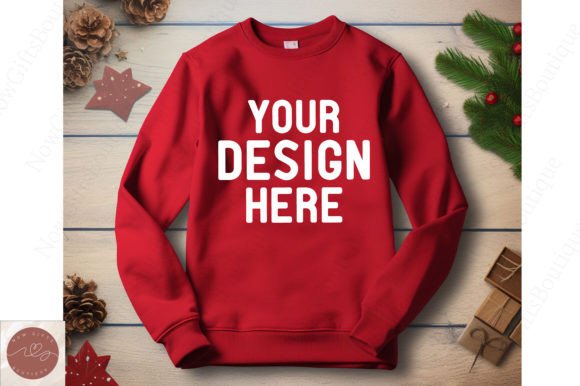
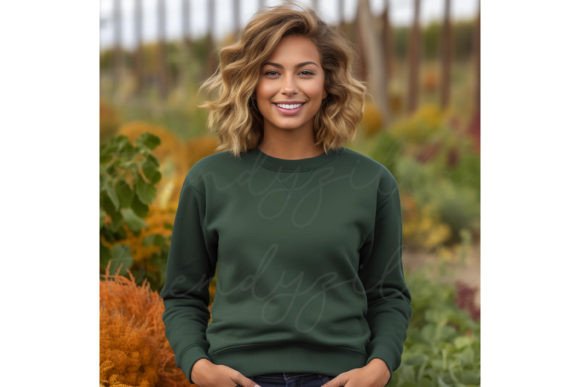
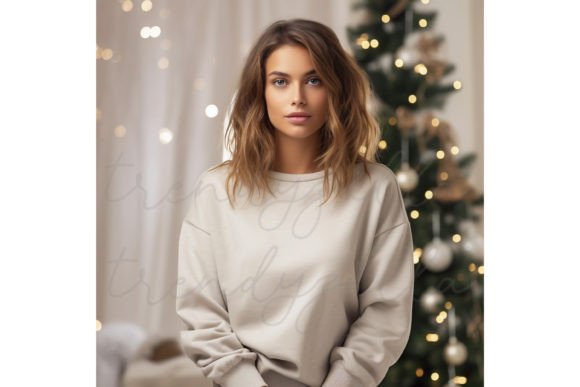
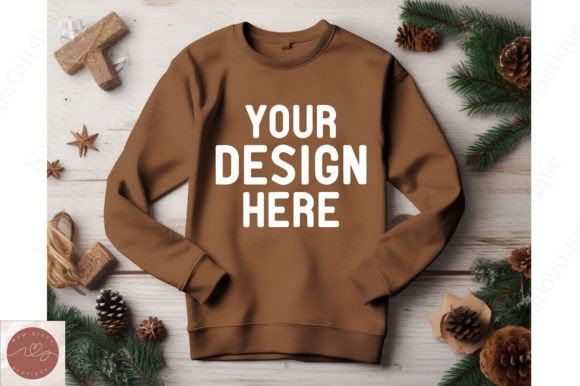
This particular item falls under the category of Graphics, specifically tailored for presentation purposes within the Hoodies Sweatshirts niche. However, my interest lies in how this visual concept translates when we move from a flat digital mockup to a tangible, stitched finished product. Whether you are an Etsy seller looking to boost your holiday catalog or a hobbyist creating personalized gifts for family, understanding the practical implications of this design is crucial before you commit to production.
First Impressions and Visual Mood
The first thing that strikes me about Christmas Sweater Gildan Mockup 7 is its nostalgic warmth. It captures that specific cozy aesthetic associated with holiday gatherings, hot cocoa, and firelight. The layout suggests a classic knit pattern, which is inherently appealing for winter wear. For an embroidery designer, this visual personality dictates the technical approach. A design that mimics knitted textures requires careful attention to stitch density and direction. If the digital graphic relies heavily on subtle gradients or fine lines, it may not survive the transition to thread without significant adaptation.
The mood here is inviting and traditional. This makes it an excellent candidate for holiday embroidery on items meant to be kept for years, rather than trendy pieces that might feel dated next season. When I visualize this on a garment, I see it working best on substantial fabrics that can support the weight of the stitching, such as cotton blends or fleece.
Real-World Application Scenarios
Let us consider a realistic scenario. Imagine you are preparing a batch of custom apparel for a small boutique client who wants to offer exclusive sweatshirt embroidery options. You decide to use the visual style of Christmas Sweater Gildan Mockup 7 as the basis for your digitizing. Because this mockup is designed to showcase illustrations and SVG cut files, it serves as a perfect reference for how the final composition should balance negative space and detailed elements.
Beyond sweatshirts, this design concept has versatility. I can easily see it adapted for a sturdy tote bag design, where the bold lines of a sweater pattern would stand out against canvas. It could also work beautifully on a heavy-duty apron for a bakery offering seasonal treats. For those running a craft business, expanding beyond apparel is key. Think about home decor: a pillow cover featuring this motif could become a staple in a customer’s living room during December. Even a simple embroidered patch applied to a denim jacket could capture the same festive spirit without the commitment of a full-front garment stitch-out.
However, we must be realistic about limitations. While the mockup suggests ease of use for displaying items in your shop, translating this into an applique design or a full fill-stitch piece requires technical diligence. The visual appeal of the mockup does not guarantee stitchability. You must consider how the thread colors will interact. A multi-colored knit pattern might require frequent thread changes, which increases production time and the risk of errors. For a high-volume small shop product, simplifying the color palette while maintaining the essence of the design is often a smarter business move.
Navigating Technical Challenges
There are specific situations where you should proceed with caution when using designs inspired by Christmas Sweater Gildan Mockup 7. First, consider the hoop size. If you are working with a small hoop, such as a 4x4 inch frame for baby items or caps, the intricate details of a sweater pattern may become lost. Tiny lettering or dense corners can bunch up, leading to puckering. Always test the design on scrap fabric first to ensure the stabilizer you are using provides enough support.
Fabric texture plays a massive role here. On smooth cotton, the stitches will lie flat and crisp. However, on textured fabrics like terry cloth or fuzzy fleece, fine details can disappear into the pile. If you are stitching on dark fabric, ensure your digitizing includes proper underlay stitches to prevent the background color from showing through the top stitches. Additionally, curved surfaces like caps present a challenge. A large, flat sweater motif may distort when wrapped around a crown panel. In such cases, scaling down the design or breaking it into smaller elements might be necessary.
Another critical factor is washability. Holiday garments get worn frequently and washed often. High stitch density can make a garment stiff and uncomfortable. Using a combination of satins stitch for borders and lighter fill stitch areas can help maintain flexibility. Avoid overly dense regions that might cause the fabric to tear or pucker after multiple wash cycles.
Enhancing Brand Value and Customer Trust
From a business perspective, the quality of your presentation matters. Using a high-quality mockup like Christmas Sweater Gildan Mockup 7 in your online listings helps customers visualize the handmade product before they buy. It builds trust because it shows professionalism and attention to detail. When a customer sees a realistic representation of how the embroidery will look on a Gildan sweatshirt, they are more likely to engage with your listing.
This visual consistency strengthens your brand. If your digital embroidery file previews match the quality of the actual custom apparel you deliver, you reduce return rates and increase customer satisfaction. It signals that you understand both the artistic and technical sides of embroidery. For commercial embroidery clients, this level of preparation demonstrates reliability. They are not just buying a design; they are buying peace of mind that the final product will meet their standards.
Practical Notes for Designers
Before you finalize your project, keep these practical tips in mind. Always check the licensing terms associated with any design assets you use. While Christmas Sweater Gildan Mockup 7 is described as a tool to show your illustration or SVG cut file, ensure you have the right to use the underlying graphics for commercial sales if you are selling the finished item. Verify if the license covers digital product resale or only physical goods.
Test your digitized version in black and white first. This removes the distraction of color and allows you to focus on contrast and clarity. If the design loses its definition in grayscale, it will likely struggle in thread too. Compare how it looks on light versus dark backgrounds to adjust your thread choices accordingly. Finally, remember that a mockup is a starting point, not the final authority. Your expertise as a designer lies in adapting the visual concept to the physical realities of thread, needle, and fabric.
In conclusion, Christmas Sweater Gildan Mockup 7 offers a strong visual foundation for holiday-themed projects. By approaching it with a critical eye for technical execution, you can transform a simple graphic into a cherished personalized gift or a best-selling item in your Etsy seller store. The key is balancing aesthetic appeal with stitchable reality.